
What Dockless Actually Changed
Marianne Prowse · 13 August 2026
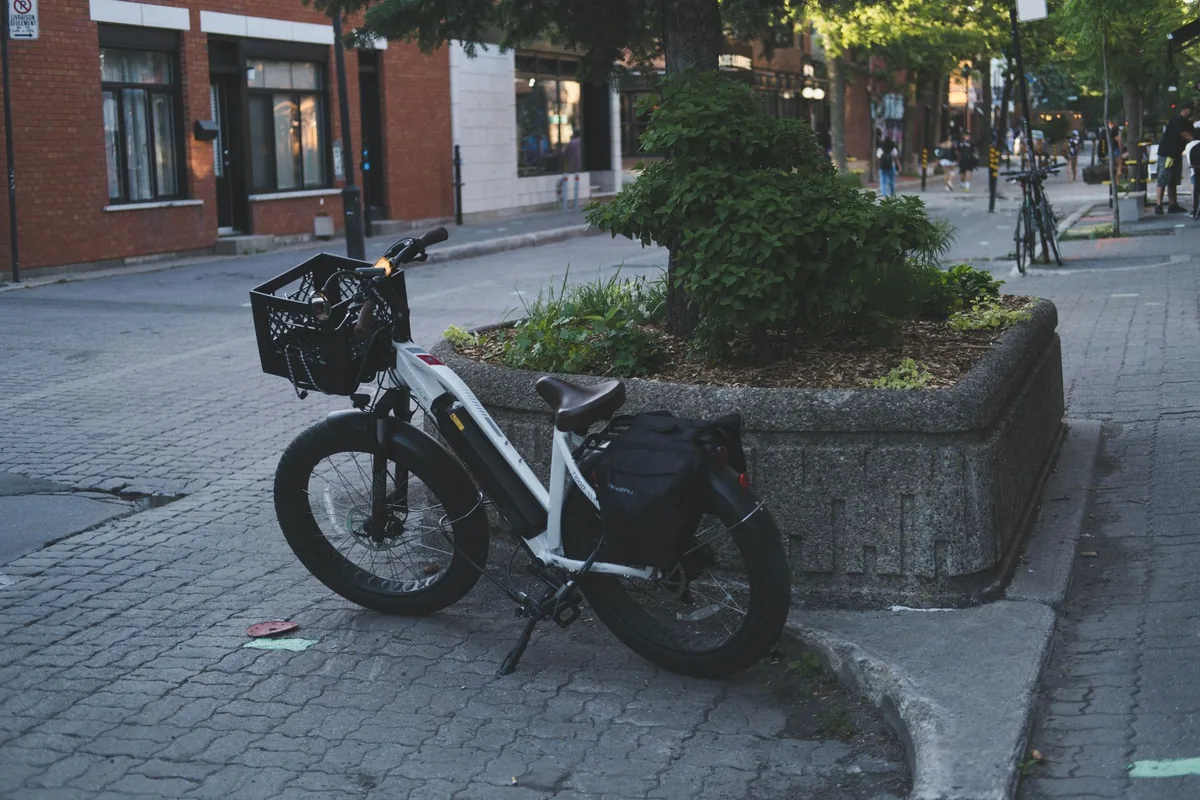
The docking station was never the hard part. Finding a bike within two minutes of where you are standing was.
The Problem With Docks
Docked schemes solved theft and parking by fixing bikes to the ground, which worked, and created a new problem: the bike is where the dock is, and the dock is rarely where you are.
Anyone who used a docked scheme for commuting knows the failure mode. You walk eight minutes to a station, find it empty, walk to the next one, and arrive at work having done neither a proper walk nor a proper ride.
What Replaced It
Free-floating hire moved the problem from infrastructure to software. The bike can be anywhere, so the question becomes whether the app can tell you where, and whether somebody redistributes them overnight.
When it works it is genuinely better. When it does not, the bikes migrate downhill and to the edges of the zone and stay there, because that is where gravity and one-way trips put them.
The Bit Nobody Budgets For
Redistribution is the entire operational cost of a free-floating scheme and it is the thing that gets cut first when money is tight.
You can tell how well funded a scheme is by looking at the top of a hill at nine in the morning. If there are bikes up there, somebody drove them up in a van.
Where It Sits Now
The loud phase is over. The operators that treated British cities as a land-grab have mostly gone, and what is left is a smaller number of schemes run on longer contracts with a local authority somewhere in the paperwork.
That is a duller industry and a better one to be a user of. Contracts come with coverage obligations, and coverage obligations are the thing that puts a bike at the top of the hill.