
Riding a City You Do Not Know
Marianne Prowse · 9 August 2026
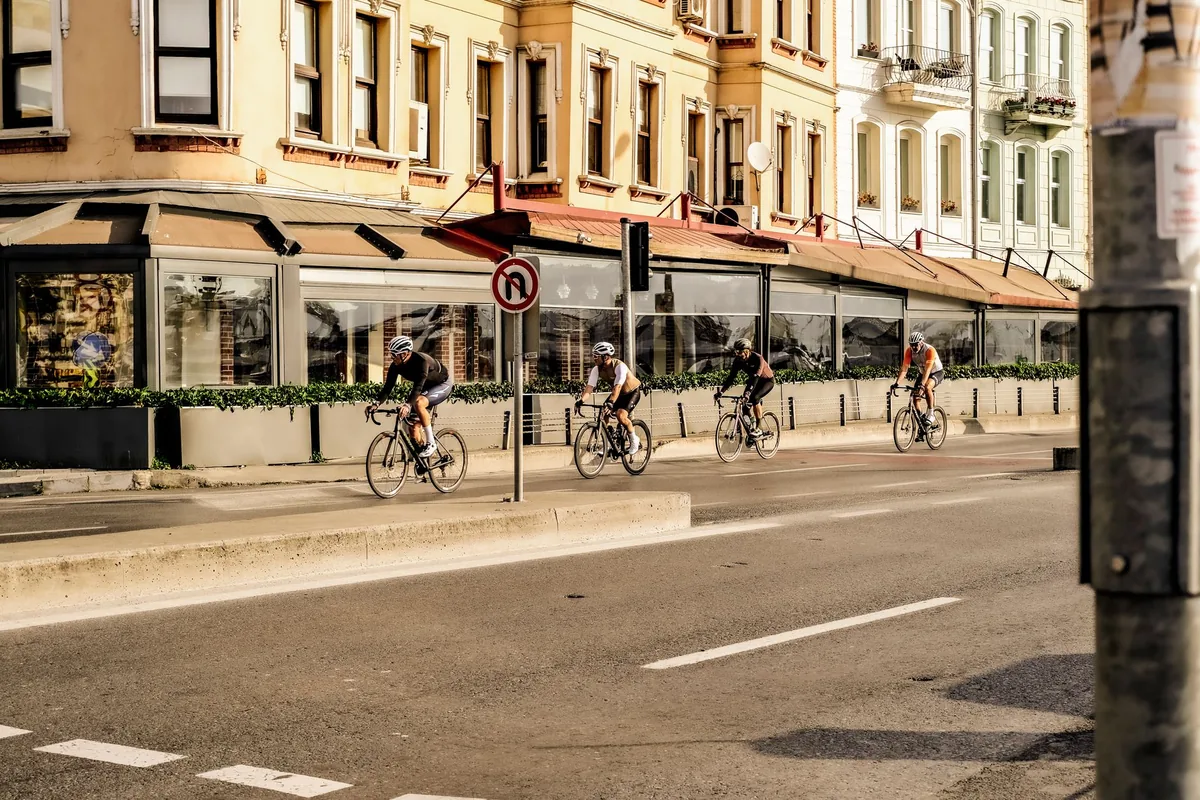
The first twenty minutes in an unfamiliar city are the worst of any ride. Here is how to shorten them.
Do Not Follow the Car Route
Mapping apps default to roads built for cars, and in most British cities that means being funnelled onto a dual carriageway with a bus behind you. Switch the app to cycling before you unlock anything.
Even then, treat the route as a suggestion. The cycling layer is only as good as whoever last updated it, and it will happily send you down a towpath that is closed for works.
Learn One Spine
Rather than trying to hold a whole city, learn one route that crosses it: a canal, a river path, a segregated corridor. Get on the spine, ride it until you are near where you want to be, then navigate the last half mile locally.
This is how people who ride cities every day actually do it. They are not holding a map. They are holding three or four known lines and joining them up.
Give Yourself Longer
Budget half as long again as the app says for the first ride. You will stop, you will misread a junction, and you will double back at least once.
The rules that apply are the same everywhere and worth a read before you go if you have not looked in a while, at the Highway Code's rules for cyclists.
One-Way Systems
British city centres are full of one-way streets that were designed around cars and then had a contraflow cycle lane painted in later. Those contraflows are legal, useful and frequently invisible until you are past them.
If a route looks like it is asking you to ride the wrong way up a street, it probably is, and it is probably allowed. Look for the small blue sign rather than assuming the app is wrong.